
Numerous weight loss strategies exist commonly referred to as keto diets, including Paleo, South Beach, and Atkins, to name a few of the more common ones. The primary focus of these diets is to limit carbohydrate consumption and maximize protein intake.
When selecting a weight loss regimen; it is important to consider additional health conditions and how drastic dietary changes may affect your body. Lastly, it is encouraged to talk to your doctor and registered dietitian before initiating any nutrition plan.
How to Get into Ketosis?
To achieve a state of Ketosis and obtain desired weight loss goals by adhering to a ketogenic diet, an individual must learn to train their body to rely on energy in the form of ketones. Ketones are produced by the liver from stored fat instead of the usual source of sugar (glucose) as a result of consuming carbohydrates.
In addition to implementing these dietary adjustments, an actual ketogenic plan emphasizes daily fat consumption while limiting protein and carbohydrates.
What is Ketosis?
Ketosis is a metabolic state where the body utilizes ketones produced from stored fat as its primary energy source instead of glucose.
3 Tips For Starting A Ketogenic Diet
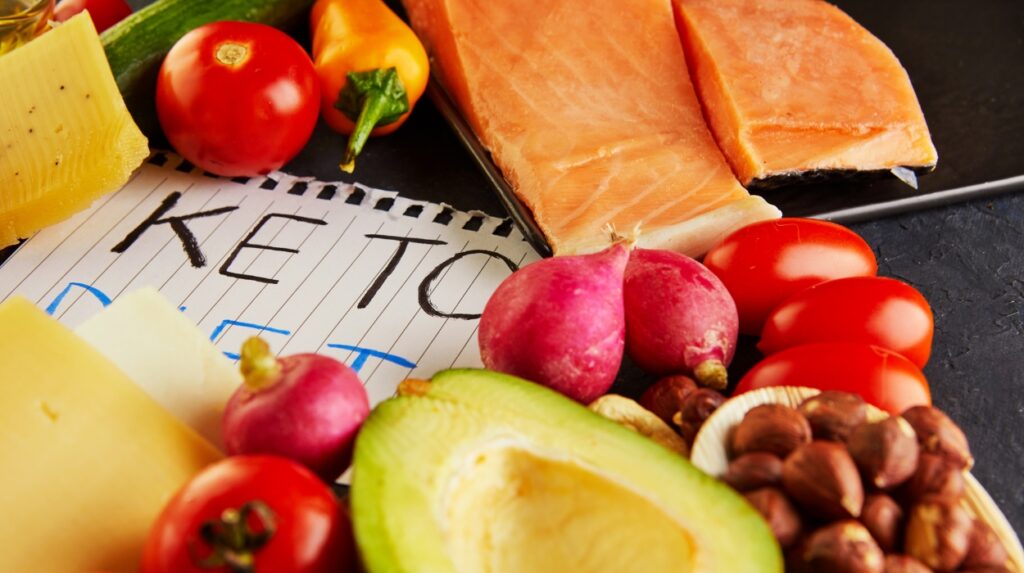
1. Reduce Your Carb Intake
There are several versions of the ketogenic diet; however, all variations of this type of meal plan stress avoiding carbohydrate-rich foods. Most commonly, when people think of carbohydrates, they associate them with foods categorized as starches and whole grains. However, a significant amount of carbohydrates are present in beans and legumes as well as the majority of fruits and fruit juices. The following is a list of carbohydrate sources to avoid while on a ketogenic diet:
- Bread.
- Pasta.
- Cereal.
- Rice.
- Crackers and Cookies.
- Potatoes.
- Corn.
- Beans.
- Legumes.
- Starchy fruits and all fruit juices.
The recommended carbohydrate intake on a ketogenic diet is below 50 grams per day. This amount will allow the body to enter into and maintain a state of ketosis. The suggested ratio of fat, protein, and carbohydrate consumption while on a ketogenic diet is as follows:
- Fat: 70–80%.
- Protein: 10–20%.
- Carbohydrate: 5–10%.
2. Test Your Ketone Levels
The most accurate method to determine if an individual is in ketosis is to test ketone levels present in a sample of blood or urine. A blood level of 0.5–3 millimoles per liter or acidic urine (pH < 7) indicates a person is in nutritional ketosis, respectively. In addition, a breathalyzer can be used to test for ketones expelled in one’s breath.
These tests may be purchased online or at most local pharmacies. If there are questions or concerns regarding using these testing devices or interpreting the results, it is encouraged to consult a pharmacist or primary care physician.
3. Increase Your Healthy Fat Intake
While your body is in ketosis, it is important to know what foods to consume to meet dietary needs; especially in the form of healthy fats, as this will account for upwards of 80% of an individual’s daily caloric intake.
The following foods are considered ideal while following a ketogenic diet:
- Nuts and Seeds
- Avocados
- Tofu
- Oils
How Long Will It Take to Get into Ketosis?
According to clinical studies, it takes approximately 2–4 days for a person who is consuming 20–50 grams of carbohydrates daily to attain ketosis. Some factors can expedite this process, such as intermittent fasting and reduced carbohydrate intake before initiating a ketogenic diet. It is not recommended to attempt to get into ketosis sooner than that time frame, such as within 24 hours, as this can result in negative health outcomes. Several other factors may affect the length of time it takes your body to achieve ketosis, such as:
- Age.
- Carbohydrate intake.
- Physical activity.
- Metabolism.
- Sleep.
- Stress.
Safety in Keto Diet
There are many benefits to the ketogenic diet, including weight loss, increased energy, decreased inflammation, and a reduction in blood pressure and glucose levels. All of these positive side effects can greatly improve an individual’s overall health, specifically their heart health. It is also important to be aware of the potential side effects that may occur, which can affect multiple organ systems.
Mild adverse effects include:
- Keto Flu, including a headache, fatigue, and upset stomach:
- Keto Breath, which is sweet and fruity.
- Constipation.
- Insomnia.
- Dehydration.
Severe adverse effects include:
- Lower bone density
- Elevated low-density lipoprotein cholesterol
- Kidney stones
- Nutrient deficiencies
Conclusion
The ketogenic diet can result in many positive outcomes, including weight loss, increased energy levels, and the potential to alleviate symptoms of chronic disease states that are caused by and/or worsened due to inflammation.
An individual aiming to achieve a metabolic state of ketosis must understand the benefits and potentially harmful side effects of this nutritional plan.
Frequently Asked Questions
It will take approximately 2–4 days to get into ketosis while consuming 20–50 grams of carbohydrates daily.
Factors affecting how quickly the body can get into ketosis include age, carbohydrate consumption, physical activity, metabolism speed, quality of sleep, and stress levels.
Healthy fats in a keto diet come from fats found in foods such as nuts and seeds, avocados, oils, eggs, butter, cream, and cheese.
Ketone levels can be tested via blood, urine, or breath samples.
The recommended dietary intake is: 70%–80% fat, 10%–20% protein, and 5%–10% carbohydrate.