
Maintaining a normal heart rate is critical for health and longevity as higher resting heart rates have been associated with an increased risk of heart disease. American Heart Association (AHA) reported in a 2021 statistics update that adults with cardiovascular disease comprise 49.2% of the United States population, that is about 126.9 million people! Heart disease makes the top of the list of diseases most feared by Americans in 2023. Resting heart rate and heart rate variability have been shown to not only reflect but contribute to overall heart health. Therefore it stands to reason that it is crucial to maintain a normal heart rate throughout your life-span.
Maintaining a healthy and normal heart rate by making informed decisions and lifestyle changes is a crucial component of a healthy life. In this article, we will discuss the importance of heart rate, factors affecting heart rate, how to lower resting heart rate, how to lower heart rate immediately, and when to seek medical help regarding your heart rate.
What Is A Normal Resting Heart Rate?
Most of the literature will report that a normal resting heart is between 60-100 beats per minute for adults. Lower numbers typically indicate better cardiovascular health as some athletes demonstrate resting heart rates as low as 40 beats per minute. Heart rate goals right there! Additionally, there is usually heart rate variation amongst individuals which basically means how the heart reacts to certain stimuli throughout a person’s day. These reactions can raise a person’s resting heart rate by a few beats from day to day, hour to hour but that is considered to be normal and actually a good indicator of cardio health based on a literature review by Heart International Journal.
5 Ways To Lower Heart Rate

It is never too late to implement lifestyle changes to lower your heart rate. Here are 6 important steps you can take to lower your heart rate.
1. Maintaining A Healthy Diet
A heart-healthy diet and maintaining a low BMI (body mass index) are key to sustaining a normal heart rate. Basically, the fundamental diet concepts you should keep in mind for your diet are:
- Variety of fruits and vegetables
- Whole grains
- Lean proteins
- Healthy fats
- Limit saturated and trans-fats
- Limit sugars and refined carbs
- Limit sodium
2. Exercise To Improve Heart Health
Getting effective, consistent exercise is essential to overall health and is directly correlated with lowering heart rate. Exercise makes your heart stronger and more efficient. 150 minutes a week is the magic number for moderate-intense aerobic activity as recommended by the American Heart Association.
3. Reduce Stress
Stress is no fun. Not only does it emotionally take over your day-to-day with feelings of worry, anger, depression, and irritability it is also directly associated with a high heart rate. In order to lower your heart rate, practicing stress-reduction techniques can not only improve your overall quality of life but also your cardiovascular health. Techniques such as deep breathing, meditation and yoga practices, intentional daily activity, and involving yourself in a community can go a long way.
4. Proper Sleep
We all had sleepless nights and felt completely in ruins the next day. Consistent lack of quality sleep has also been shown to decrease cardiac health and therefore be reflected in high heart rates. By taking a mindful approach to getting better sleep you are better equipped to improve your heart rate via various methods on how to sleep better or through products like CBD Gummies for sleep
5. Limit smoking and alcohol
Caffeine and alcohol should be consumed in moderation meaning 1-2 drinks or less in a day depending if you are a man or woman. Smoking is also an irrefutable contributor to heart disease, therefore quitting smoking is a seriously important step to lower your heart rate and improve overall heart health.
When Does Your Heart Rate Rise?
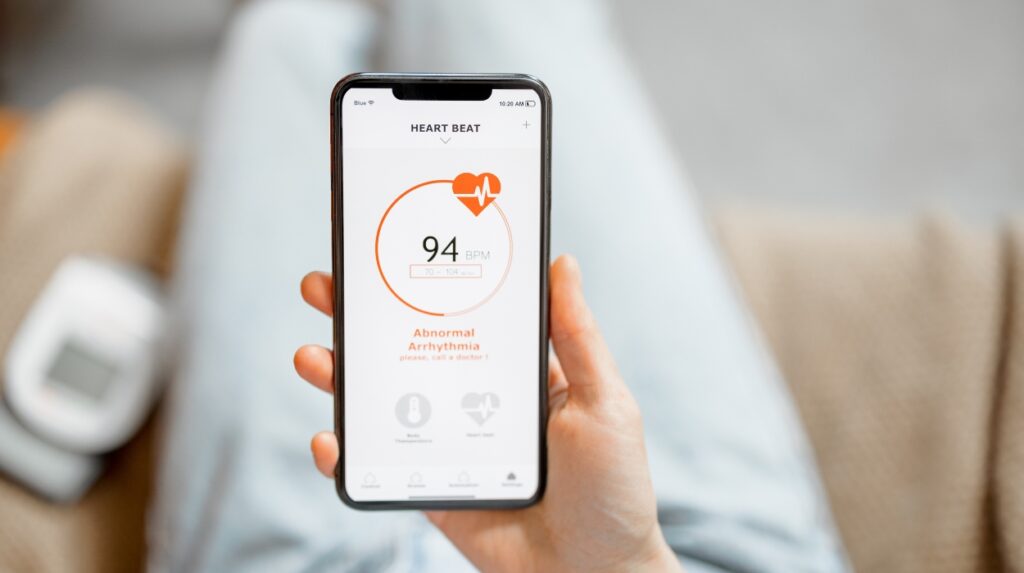
How To Measure Your Heart Rate
It is quite simple to measure your heart rate through various methods. These methods include:
- Manually checking by placing your index and middle fingers on the inside of your wrist, just below your thumb, and counting the number of beats you feel in 15 seconds x 4 which would equal beats per minute
- Using heart rate monitors otherwise known as wearable devices can come in various forms that can be worn on your wrist, chest, and fingers. Commercial wearable devices including but not limited to Fitbit, Apple Watch, and Garmin devices are all smart watches and bracelets that are worn to monitor your heart rate throughout the day
- Non-commercial devices are most usually used for individuals with diagnosed heart disorders and would therefore need to be prescribed by your doctor.
A growing body of evidence across research continues to demonstrate that general heart rate not only reflects but contributes to clinical medical events such as strokes and heart attacks.
These specific events can not only lead to debilitating deficits most also many times death. As mentioned, there are a multitude of factors and events that can raise your resting heart rate. Things such as physical activity, stress, medical diseases and disorders, certain medications, smoking, body temperature, dehydration, sleep, and low blood pressure can all contribute to raised heart rate. A heart rate of over 100 beats per minute is medically coined tachycardia.
How To Lower Heart Rate Immediately
If you are experiencing high heart rate after intense physical exercise, anxiety, stress, or heart palpitations, AHA supports using vagal maneuvers to immediately lower heart rate in specific circumstances. You can try the following physical strategies to lower heart rate immediately; bear down as if having a bowel movement, coughing, placing something cold or splashing water on your face and slow deliberate breathing or other relaxation techniques. It is very important to note some of these strategies are counter indicative for diagnosed heart conditions so should therefore be discussed with your doctors.
When To See A Doctor
Always trust your gut (or your heart in this case)! If you feel that something is off with your body, it never hurts to check in with your doctor regarding your cardiovascular health. In fact you should contact your doctor immediately, if you are feeling an acute, unfamiliar change in heart rate, especially anything over 100 beats per minute, chest and upper body pain or discomfort, shortness of breath, dizziness, lightheadedness and breaking out in an unexplainable cold sweat. The aforementioned symptoms may be cause for a serious condition therefore calling 911 is warranted.
Conclusion
Lowering your heart rate is significant for your overall health and longevity. It is important to know what is defined as normal and abnormal heart rate and how to measure it. In brief we discussed 5 effective ways to lower heart rate, how to lower heart rate immediately and when to seek medical help.