
Hemoglobin, a protein found in red blood cells, plays a crucial role in transporting oxygen throughout the body. Maintaining optimal hemoglobin levels is vital for overall well-being and energy levels. When hemoglobin levels dip below normal ranges, it can lead to fatigue, weakness, and other health complications. Fortunately, there are natural and healthful ways to increase hemoglobin levels and promote a thriving circulatory system.
Iron is an essential mineral required for the production of hemoglobin. One of the key factors in boosting hemoglobin[1] is ensuring an adequate intake of iron-rich foods. Including iron-rich foods such as lean meats, legumes, dark green leafy vegetables, and nuts in your diet can significantly enhance your body’s iron stores and improve hemoglobin production. Additionally, consuming foods rich in vitamin C, such as citrus fruits, bell peppers, and orange fruits, can help your body absorb iron more efficiently.
In this article, we will explore a variety of strategies and lifestyle changes that can naturally and healthfully increase hemoglobin levels. From dietary modifications to exercise routines and mindful supplementation, we will delve into effective methods to promote healthy blood flow, optimize iron absorption, and support the body’s ability to produce and maintain adequate hemoglobin levels. By incorporating these strategies into your daily routine, you can embark on a journey towards improved vitality and overall well-being.
Normal Hemoglobin Levels
In the subsequent discussion, we will briefly overview normal hemoglobin levels and their significance in maintaining good health. We will explore the recommended ranges for hemoglobin levels in adults, children, and pregnant women. Understanding these normal ranges will help identify deviations from optimal levels and the potential health implications. By familiarizing ourselves with the standard hemoglobin levels, we can better appreciate the importance of striving for healthy levels. This knowledge will enable us to explore natural and healthful ways to increase hemoglobin, such as consuming iron-rich foods, incorporating vitamin C, and promoting healthy blood flow. These strategies aim to improve iron absorption, support red blood cell production, and ultimately enhance hemoglobin levels in the body.
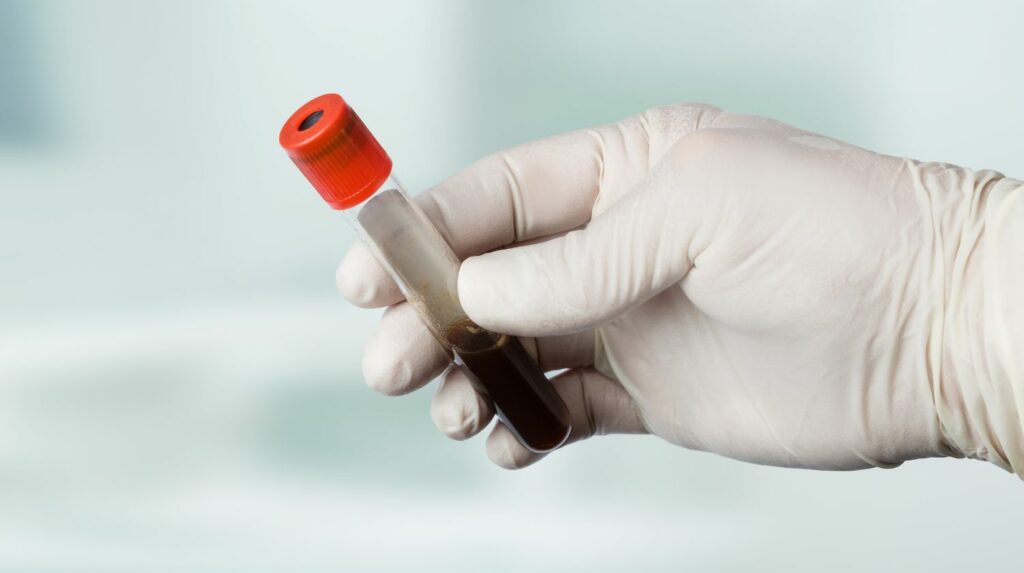
Causes Of Low Hemoglobin Levels
- Iron Deficiency: Insufficient intake or poor absorption of iron leads to decreased hemoglobin production, causing low hemoglobin levels.
- Nutritional Deficiencies: Deficiencies in essential nutrients like vitamin B12 and folate hinder red blood cell formation, resulting in low hemoglobin levels.
- Chronic Diseases: Kidney disease, liver disease, and cancer disrupt red blood cell production, leading to low hemoglobin levels.
- Blood Loss: Significant loss from injuries, surgeries, bleeding, or menstruation depletes iron stores and causes low hemoglobin levels.
- Bone Marrow Disorders: Conditions like aplastic anemia, myelodysplastic syndromes, or leukemia impair the bone marrow’s ability to produce red blood cells, resulting in low hemoglobin levels.
- Inherited Disorders: Genetic conditions such as thalassemia and sickle cell anemia affect hemoglobin structure or production, leading to low hemoglobin levels.
- Chronic Inflammation: Conditions like rheumatoid arthritis or inflammatory bowel disease disrupt red blood cell production and cause low hemoglobin levels.
- Hormonal Imbalances: Hormonal disorders affecting the thyroid or adrenal glands impact red blood cell production and lifespan, resulting in low hemoglobin levels.
- Medications: Certain medications, such as chemotherapy, NSAIDs, or antiretroviral drugs, suppress red blood cell production, leading to low hemoglobin levels.
- Other Factors: Excessive alcohol consumption, smoking, high altitudes, infections, or parasites can contribute to low hemoglobin levels.
10 Best Ways to Increase Hemoglobin
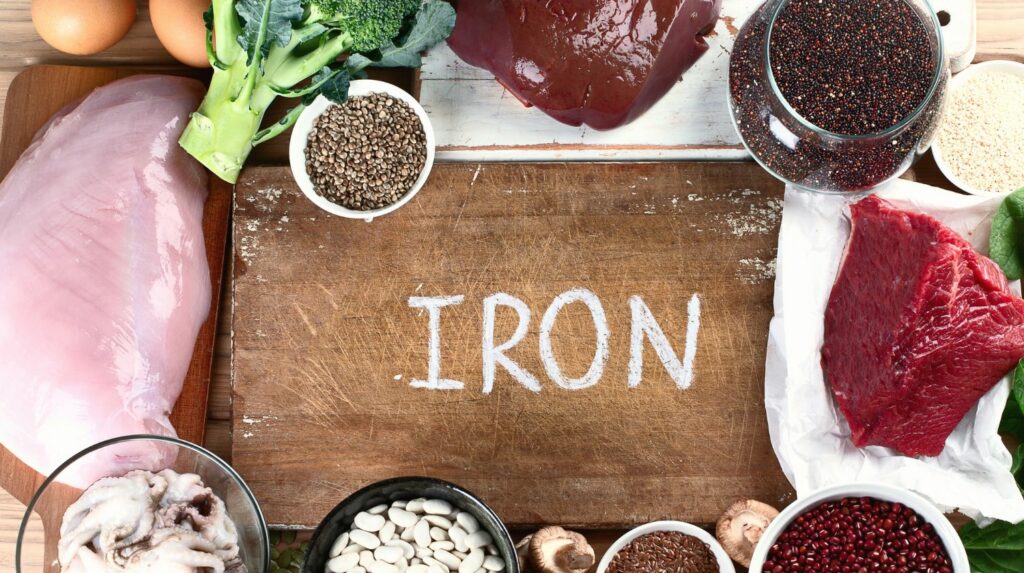
- Include iron-rich foods in your diet, such as lean red meat, poultry, fish, beans, lentils, tofu, spinach, and fortified cereals.
- Iron is a crucial component of hemoglobin, and consuming iron-rich foods helps increase its availability for hemoglobin synthesis.
- Consume vitamin C-rich foods such as citrus fruits, strawberries, bell peppers, and broccoli.
- Vitamin C enhances iron absorption, improving the utilization of dietary iron for hemoglobin production.
Optimize Nutritional Intake[4]:
- Ensure a well-balanced diet that includes a variety of nutrient-rich foods.
- Adequate intake of essential nutrients like vitamin B12, folate, and copper supports red blood cell production and healthy hemoglobin levels.
- Consult with a healthcare professional to determine if iron supplements are necessary.
- Iron supplements can help address iron deficiency anemia and boost hemoglobin levels but should be taken under medical guidance.
Increase Consumption of Green Leafy Vegetables[6]:
- Include leafy greens like spinach, kale, and Swiss chard in your diet.
- These vegetables are rich in iron, folate, and other nutrients that support red blood cell production and hemoglobin synthesis.
Manage Underlying Health Conditions[7]:
- Treat and manage any underlying health conditions contributing to low hemoglobin levels, such as kidney disease or inflammatory disorders.
- Addressing the root cause can improve red blood cell production and increase hemoglobin levels.
- Hydration supports optimal blood volume and circulation, facilitating the transport of oxygen by hemoglobin. Stay properly hydrated by drinking sufficient water throughout the day.
Engage in Regular Exercise[9]:
- Participate in moderate exercise or physical activity as recommended by your healthcare provider.
- Regular exercise promotes healthy blood flow, improving oxygen delivery to tissues and supporting hemoglobin function.
Manage Stress Levels[10]:
- Implement stress management techniques like relaxation exercises, meditation, or engaging in hobbies you enjoy.
- Chronic stress can negatively impact blood cell production, including hemoglobin synthesis, so stress reduction is beneficial.
Get Regular Check-ups:
- Schedule regular check-ups and blood tests to monitor your hemoglobin levels and overall health.
- Regular monitoring allows for early detection of any abnormalities and timely intervention.
By implementing these ten best ways to increase hemoglobin, you can support red blood cell production, optimize iron absorption, and improve overall hemoglobin levels. Remember to consult a healthcare professional for personalized guidance and recommendations based on your specific health needs.
Extremely Low Hemoglobin Symptoms

Fatigue and Weakness
- Severe fatigue and weakness are common symptoms of extremely low hemoglobin levels.
- Hemoglobin carries oxygen to body tissues, and when levels are critically low, organs and muscles receive inadequate oxygen supply, leading to fatigue and weakness.
Shortness of Breath
- Even with minimal exertion, breathing difficulties can occur with extremely low hemoglobin levels.
- Insufficient oxygen-carrying capacity hampers the oxygen supply to the lungs, resulting in shortness of breath.
Rapid Heartbeat
- An abnormally fast heart rate, known as tachycardia, can be a symptom of severely low hemoglobin levels.
- The heart compensates for the decreased oxygen delivery by pumping blood faster, leading to a rapid heartbeat.
Pale Skin and Mucous Membranes
- Severe anemia can cause skin, lips, nail beds, and mucous membranes paleness.
- Low hemoglobin levels reduce the redness and coloration of these tissues, resulting in a pale appearance.
Dizziness and Fainting
- Reduced oxygen supply to the brain due to extremely low hemoglobin levels can cause dizziness and fainting spells.
- Inadequate oxygenation impairs brain function, leading to these symptoms.
Chest Pain
- Chest pain or angina can occur in individuals with extremely low hemoglobin levels.
- Insufficient oxygen reaching the heart muscle can lead to chest discomfort or pain.
Cold Hands and Feet
- Poor circulation resulting from low hemoglobin levels can cause coldness in the extremities, such as hands and feet.
- Reduced oxygen delivery to peripheral tissues contributes to this symptom.
Brittle Nails and Hair Loss
- Severely low hemoglobin levels can affect the health of nails and hair.
- Brittle nails and excessive hair loss may be observed due to compromised nutrient supply to these structures.
Cognitive Impairment
- In cases of extremely low hemoglobin levels, cognitive impairment and difficulty concentrating may occur.
- Inadequate oxygen supply to the brain affects cognitive function, leading to memory problems and confusion.
Increased Risk of Infections
- Severe anemia weakens the immune system, making individuals more susceptible to infections.
- Reduced oxygenation compromises the body’s ability to fight off pathogens effectively.
It’s important to note that the severity and specific symptoms of low hemoglobin levels can vary depending on the individual and the underlying cause. If you experience any of these symptoms, seeking medical attention for proper diagnosis and treatment is crucial.
When to See a Doctor
See a doctor under certain circumstances related to hemoglobin concerns is advisable. It is important to seek medical attention if you experience persistent or worsening symptoms such as fatigue, weakness, shortness of breath, rapid heartbeat, or pale skin. Unexplained symptoms like dizziness, chest pain, cognitive impairment, or significant lifestyle changes without improvement should also prompt a visit to a healthcare professional. Individuals with chronic health conditions that may impact hemoglobin levels should have regular check-ups and monitoring. Consulting a doctor is recommended if you have concerns about medications or supplements affecting hemoglobin or if you are unsure about your hemoglobin levels or related symptoms. Only a qualified healthcare provider can provide an accurate diagnosis and appropriate treatment options based on your situation. Timely medical attention ensures proper evaluation, management, and guidance for optimizing hemoglobin levels and overall health.
Conclusion
In conclusion, maintaining healthy hemoglobin levels is essential for overall well-being. Understanding the causes of low hemoglobin and recognizing symptoms of extremely low levels is crucial in seeking timely medical attention. By following proper medical advice, making dietary adjustments, and addressing underlying conditions, individuals can work towards increasing hemoglobin levels and improving their overall health.
Frequently Asked Questions
Iron-rich foods include lean red meat, poultry, fish, beans, lentils, tofu, spinach, and fortified cereals.
Iron supplements can help address iron deficiency anemia and increase hemoglobin levels, but it’s best to consult a healthcare professional for proper dosage and guidance.
Vitamin C enhances iron absorption, allowing the body to utilize dietary iron for hemoglobin synthesis better.
Yes, maintaining a balanced diet, staying hydrated, exercising regularly, and managing stress levels can support optimal hemoglobin production and utilization.
Symptoms include fatigue, weakness, shortness of breath, pale skin, rapid heartbeat, dizziness, and cognitive impairment.
It is advisable to see a doctor if you experience persistent or worsening symptoms, have recurring low hemoglobin, or have concerns about your condition.
Yes, conditions like kidney disease, chronic inflammatory disorders, and certain genetic disorders can impact hemoglobin levels.
The frequency of checking hemoglobin levels depends on individual health factors, but regular check-ups and blood tests, as advised by your doctor, are important for monitoring hemoglobin levels.